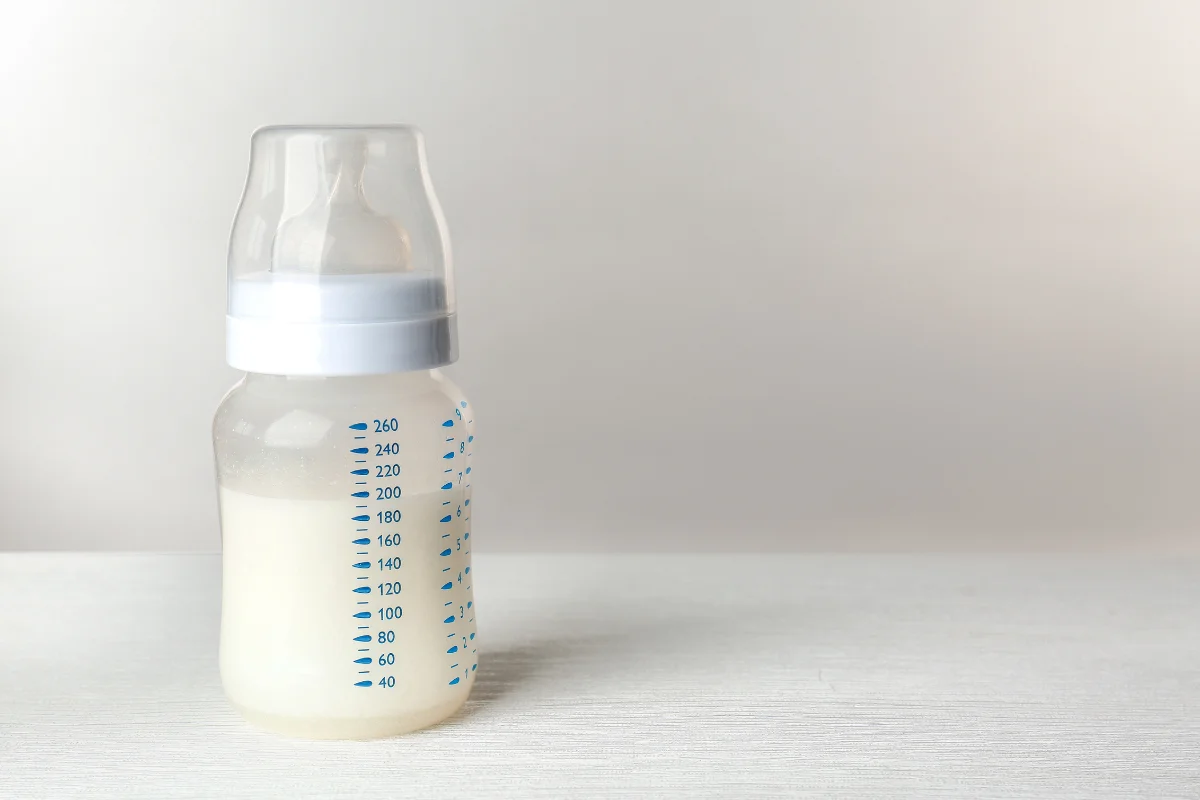



A concerning health crisis has emerged as the CDC and FDA investigate a multi-state outbreak of infant botulism. This troubling scenario is potentially linked to Nara Organics Whole Milk Organic Infant Formula. The investigation is still in progress, but already, three infants from California, Pennsylvania, and Washington have been hospitalized with illnesses stemming from this formula, though thankfully, no fatalities have been reported.
As a precaution, Nara Organics has recalled all of its Whole Milk Organic Powdered Infant Formula. If you still have this product at home, it’s critical to discontinue use, switch to an alternative formula, and retain any opened cans for potential testing. Parents should closely monitor their infants for any signs of distress.
For those seeking clarity on this alarming situation, continue reading for essential information.
What is infant botulism?
Infant botulism occurs when Clostridium botulinum spores find their way into a baby's digestive system, producing a toxin that disrupts nerve signals to muscles. This condition is relatively rare, with around 100-150 cases reported annually in the U.S., disproportionately affecting infants under one year of age. Due to their still-developing gut microbiome, infants under six months are particularly vulnerable.
Initial signs of botulism usually manifest as constipation, which may progress to a weak cry, difficulty sucking or swallowing, and observable muscle weakness. While treatable, infant botulism often necessitates hospitalization and supportive care.
What causes infant botulism?
Infant botulism arises when infants consume contaminated food or inhale spores from the environment.
Identifying the precise source of the infection is often a challenge. Symptoms typically develop 3 to 30 days after exposure, making it difficult to trace back to a specific incident. While honey is a known potential risk—hence the caution against giving it to babies under one year—this doesn’t account for the majority of cases. This is only the second time that an outbreak has been linked to formula, following a similar incident in 2025 involving ByHeart formula.
What is happening with Nara Organics’ formula?
According to the California Department of Public Health, three infants consuming Nara Organics formula have tested positive. These babies, aged between 2 to 5 months, began exhibiting symptoms between April and May 2026.
As of now, testing has not confirmed the presence of C. botulinum in any Nara formula batches, but health officials in two states are analyzing leftover product, with results pending in the following weeks.
It's notable that Nara Organics has a small market share in the U.S., representing less than 1% of infant formula sales. Therefore, the recall is not anticipated to impact the broader formula supply.
Numerous uncertainties remain in this situation. Many consumers have likely discarded their formula cans, complicating testing efforts. As more data emerges, we can expect to learn additional insights into this incident.
What should I do?
Parents must cease using Nara Organics formula immediately and retain any opened cans for testing purposes. Unopened cans can be returned or discarded.
If your infant consumed Nara Organics’ formula, keep a watchful eye for signs of illness such as constipation, lethargy, or irritability. If you have any concerns, consult your pediatrician right away. While the overall risk remains low, staying vigilant is essential.
The incubation period for botulism spans 3 to 30 days post-exposure, so if the formula was used over a month ago, there’s generally no cause for concern.
If switching formulas becomes necessary, rest assured that most infant formulas are similar in terms of nutritional content due to stringent regulations. While some babies may be sensitive to taste variations, most transition smoothly to different brands.
Community Guidelines
Log in
Also On The Walk
Explore Meaningful Rituals to Enrich Your Yom Kippur Experience
Judge Judy Bows Out: A Look at Her Legacy and Future Projects
Lena Dunham Celebrates Motherhood Through Surrogacy
Discussion
Sign in to join the discussion.