Wilfrid Israel helped drive the effort that became the Kindertransport, which saved roughly 10,000 Jewish children. His own story stayed largely out of public view.
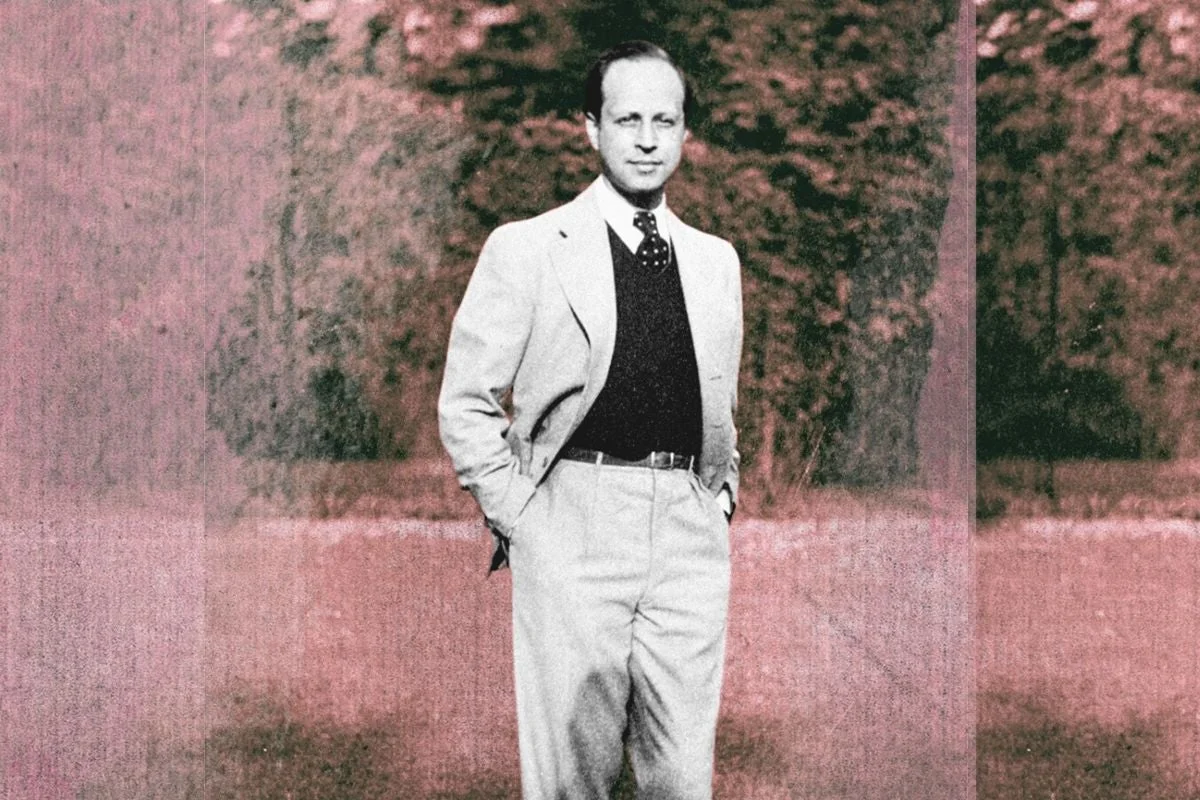
Wilfrid Israel helped save thousands of Jewish children from Nazi Europe, yet he spent much of his life trying to keep his rescue work private. His story shows how a person’s caution, connections and persistence could shape an escape effort on a vast scale.
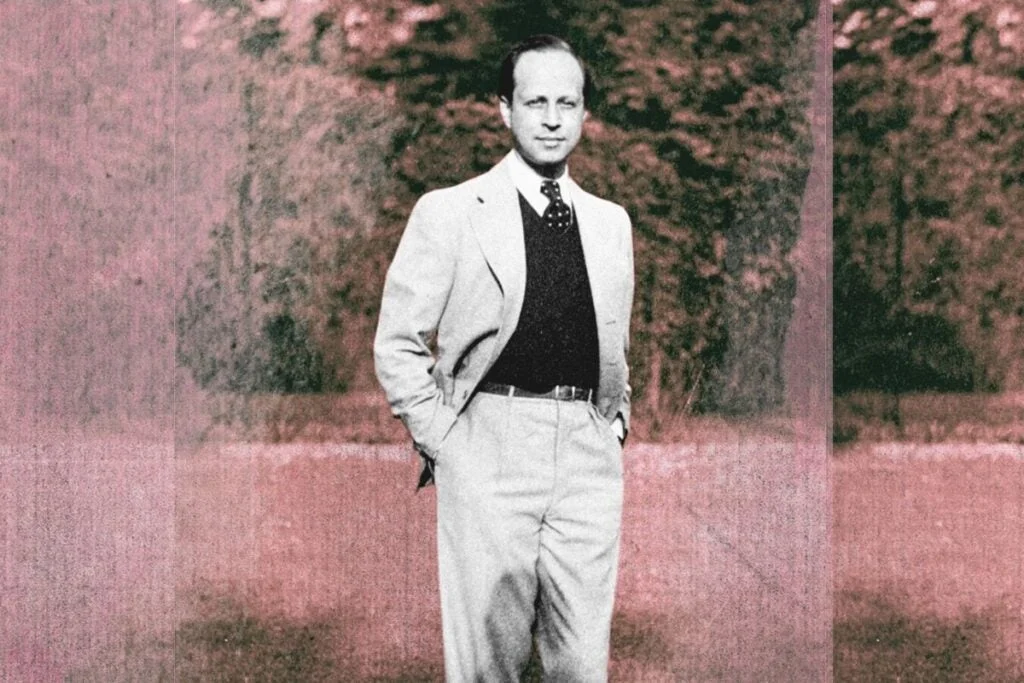
Israel was born in London to a family that owned Nathan Israel, Berlin’s best-known department store. His British birthplace gave him protected status in Germany before World War II, while his family’s prominence placed him close to the center of Berlin society. He was also a gay socialist, and took pains to keep his politics and private life out of public records.
A rescue effort built through connections
After Kristallnacht in November 1938, Nazi attacks devastated Jewish homes and businesses, including his family’s store. Chaim Weizmann, Israel’s friend and later Israel’s first president, urged him to help German Jews emigrate to the British Mandate of Palestine.
Israel wrote to the British prime minister. In Parliament, the home secretary then called for a program to bring Jewish children to safety. Britain agreed to accept 5,000 children; the Kindertransport ultimately helped roughly 10,000 Jewish children escape Nazi-controlled Europe.
That achievement puts Israel’s work alongside better-known rescue stories, though his role was deliberately obscured. He understood early the danger posed by concentration camps and warned that extermination was possible. He also feared that public acclaim would provoke Hitler and make his efforts harder. He asked friends not to preserve records about his activities or publicize his deeds.
The life behind a fictional character
Among Israel’s friends were Weizmann, David Ben-Gurion and Albert Einstein. Christopher Isherwood, who was openly gay, drew on Israel for the character Bernhard Landauer in The Berlin Stories, the work that later inspired Cabaret. Isherwood’s portrayal was cold, but Israel accepted it. The book helped bring Peter Vansittart into his life; the two became a couple. Vansittart later wrote dozens of books and received an OBE in 2008, the year he died.
Friends warned Israel that Berlin was dangerous for him. He stayed despite repeated arrests and beatings by the Gestapo, leaving only when war between Britain and Germany seemed imminent and his family fortune had been nearly spent financing Jewish emigration.
Exile, and a final journey
In London, Israel directed relief work to help people reach neutral countries or flee occupied territories. After visiting a nearby refugee camp for Jews, he boarded a Dutch Airlines flight from Lisbon on June 1, 1943. German aircraft pursued the civilian plane over the Bay of Biscay and shot it down. Everyone aboard was killed; no wreckage has been found. Israel was 43.
The agricultural collectives he had established in Palestine became the HaZore’a kibbutz. His friends went on to help form the state of Israel in 1948. The Wilfrid Israel Museum, on the kibbutz, now houses artworks from his collection that survived the war.
“Should I shed tears of bitterness that ‘great happiness’ has not been granted me?” Israel once asked. “All I know is that my life, for myself and others, has not remained empty.” The scale of the rescue effort he helped set in motion gives that reflection a lasting weight.
“Life Is a Cabaret: The Amazing Story of the Real Lives Who Inspired the Iconic Musical” by Brian Fairbanks explores the real people behind characters in Christopher Isherwood’s “The Berlin Stories” and the musical and film “Cabaret,” which marks its 60th anniversary this November.
Making Room for More Jewish Voices. Kveller is where funny, thoughtful, and unexpected Jewish stories find readers. A few dollars helps us keep telling them.
The post The Story of the Gay Jewish Socialist Who Saved 10,000 Jews During World War II appeared first on Kveller.



Discussion
Sign in to join the discussion.