Stacy Arezou Mehrfar's art reflects her immigrant experience and Jewish heritage, intertwining themes of identity, memory, and light.
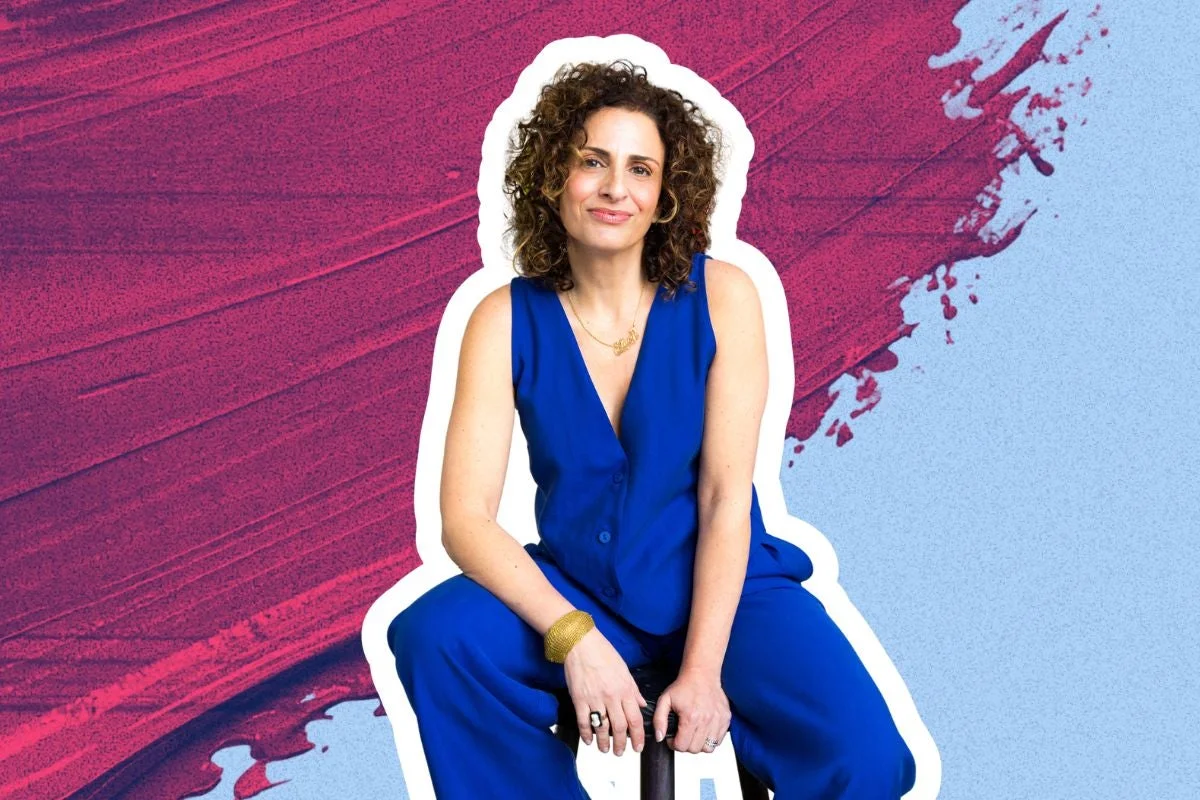
From Family Documentarian to Artist
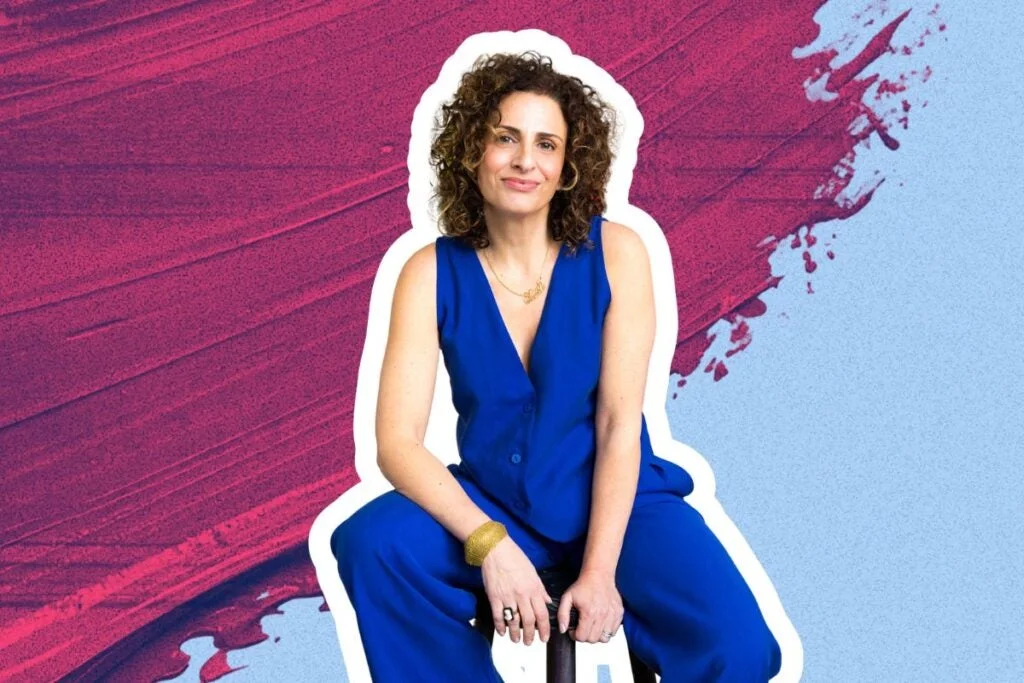
Stacy Arezou Mehrfar's journey as an artist is intricately woven with her upbringing as the youngest child of Jewish Iranian immigrants in Long Island. Growing up in a household rich with stories and cultural heritage, she became the family’s unofficial historian. With a camera often in hand, she captured formative memories and stories, especially those connected to her parents' pasts. This practice not only refined her skills but also forged a deep personal narrative, anchoring her art in the rich tapestry of her family’s experiences. You could say her early life set the stage for the explorations of identity, memory, and belonging that would define her artistic career.
Education and Career Breakthrough
Her artistic journey began in earnest through her academic pursuits, initially studying film and English literature. This dual focus enriched her storytelling capabilities, allowing her to blend visual and literary arts effectively. A transformative year at the International Center of Photography acted as a springboard for her career. A pivotal portfolio review landed her a cover in The New York Times Magazine, a notable achievement that propelled her into freelance work for major publications like People and InStyle. Over time, this exposure led her to develop a unique voice in photography. Love and personal commitment took her to Australia with her husband, where from 2008 to 2016, she honed her fine art practice full-time. This shift allowed her to experiment with her artistic vision free from the constraints often felt in commercial work.
The Artistic Shift in Australia
In Australia, Mehrfar began pivoting her focus toward fine art photography. This transition came to fruition through significant projects, including photo books such as “Tall Poppy Syndrome” in 2012 and “The Moon Belongs to Everyone” in 2021. The latter project explores themes of immigrant identity and connection to a shared and universal experience through the symbolism of the moon. “No matter where you come from, you have a relationship to the moon,” she explains. This statement implies a broader observation on how shared symbols transcend cultural boundaries. The moon becomes a canvas for her commentary on the human condition, highlighting bonds formed through common experiences and emotions.
Embracing Farsi and Multiplicity
Mehrfar’s art is heavily influenced by her upbringing in a Farsi-speaking household. Words in Farsi carry layers of meaning, often rich in cultural resonance. This linguistic depth infuses her work with more than just visual significance; it invites viewers into a dialogue about identity and belonging. “Even in its simplest form, a Farsi word holds physical, spiritual, and conceptual ideologies,” she reflects. This perspective showcases the multifaceted nature of her art, which often seeks to unpack these meanings. In a world increasingly focused on succinct communication, her focus on the multilayered aspects of language serves as a reminder of the depth embedded in personal narratives.
Back in New York: New Inspirations
After her return to New York in 2016, Mehrfar continued exploring the intersections between identity and memory in her art. The cultural environment in New York, rich with diversity and artistic expression, reinvigorated her creativity. Recently, she has embarked on a new project titled “Aleph,” a compelling exploration shaped by the emotional landscape following her father’s passing in 2024. This project draws heavily on Jewish texts, providing a framework for her reflections on grief, identity, and transience.
Exploring Grief and Light in “Aleph”
This new body of work captures an emotional landscape that many can relate to, yet few articulate effectively. After spending time with her family during her father’s illness, she returned to the city with heightened sensitivity. She experienced sunlight not just as illumination, but as a form of metaphysical energy. “I felt this zap—a visceral feeling of fragility and the need to create,” she shares. This connection to light and fragility threads throughout her work in “Aleph,” creating an intimate lens through which grief can be understood and processed. And this is the part most people overlook; art’s capacity to transform personal pain into a shared human experience is profound.
The Influence of Jewish Text on Her Work
Diving into Jewish texts, she sought insights about the afterlife and its implications for memory and legacy. Her exploration of the Talmud, particularly the notion that in the afterlife, one becomes light, sparked a powerful revelation in her photography. “If sunlight contains the essence of those who lived before us, then crossing through it feels like being energized by their presence,” she muses. This conceptual direction amplifies the weight of her work, linking the physical world to spiritual legacy. Here’s the thing: her art doesn’t just present visual commentary; it invites viewers to consider their own connections to loss and memory.
Upcoming Events
For those interested in exploring Mehrfar's artistic journey further, she’ll be featured in a virtual gallery tour titled “Picturing the Unseen,” on September 23. This event will allow her to share stories and insights from her body of work, highlighting the narratives woven through her photography. Participating in this event could provide invaluable insight into how her personal journey influences her artistic output, offering richer context to her evolving themes and ongoing projects.
Current Exhibit
Currently, her work is showcased in the group exhibition “Nature Represented and Reproduced” at CLAMP gallery, running until October 31. This exhibit provides a platform for her unique vision, emphasizing how she captures the fluidity of identity through light and memory. The choice to include her work alongside other artists highlights the interconnectedness of themes present in contemporary art, revealing deeper dialogues about representation and expression.
Implications and Future Outlook
Stacy Arezou Mehrfar’s work stands as a compelling exploration of identity, memory, and the immigrant experience. In an era where the complexities of personal heritage and collective narratives are brought to the forefront, her art invites broader discussions about what it means to belong and remember. If you’re working in this space, her approach offers a framework for integrating personal and cultural histories into artistic practices. Looking ahead, as her themes evolve, one could speculate that Mehrfar will continue to challenge viewers, urging them to reflect on their own relationships with light, memory, and loss.



Discussion
Sign in to join the discussion.