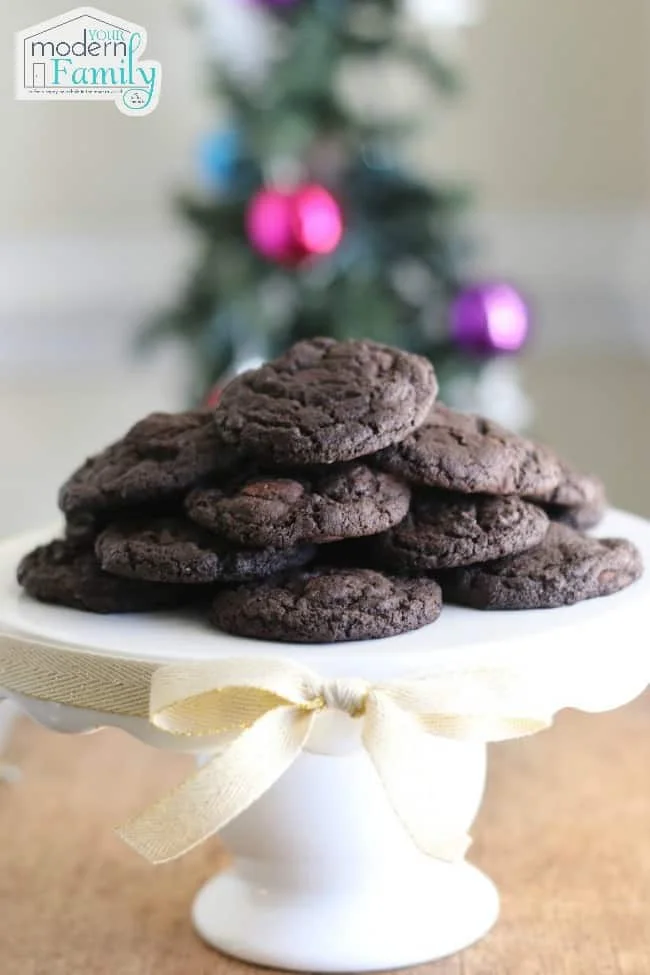
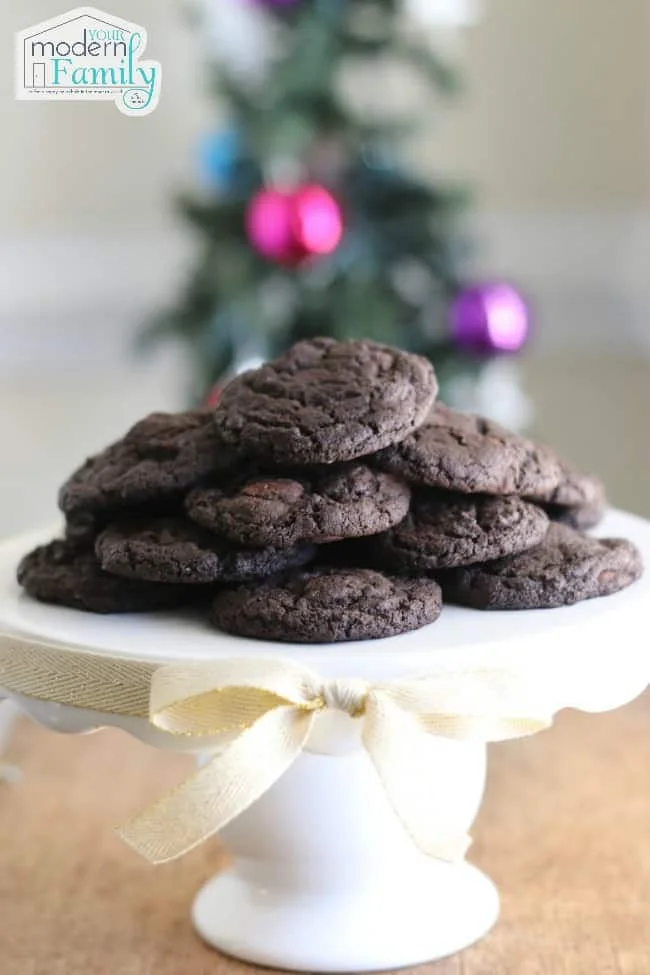
Crushed peppermint, cocoa, and a hint of espresso make this layered jar mix a gift that bakes up fresh. Here's the assembly and baking breakdown.
Why a jar beats most homemade gifts
Most homemade gifts end up forgotten in a cupboard. A jar of cookie mix is different. It's all dry goods, it takes a few minutes to layer, and it becomes a tray of warm cookies whenever the recipient gets around to baking. That last part matters more than it sounds. Plenty of gifts ask the recipient to do something right away, whether that's eating, wearing, or displaying. A mix waits. You're handing over an option rather than an obligation, which suits people already juggling a crowded December calendar.
This peppermint-chocolate version pairs crushed hard candy with cocoa and a small amount of espresso powder, and the result tastes more like a bakery cookie than a standard holiday batch. (And this is the part most people overlook: the espresso isn't there to make the cookies taste like coffee.) It works as a flavor amplifier. Coffee suppresses some of the bitterness in cocoa while making the chocolate read as deeper and less sugary, which is much of the difference between a cookie that tastes homemade and one that tastes professionally made. I'd call the bakery comparison fair, though a good bakery cookie usually owes more to butter ratios and bake time than to any single ingredient.
The ingredient list stays short, and nothing here needs a specialty store run. Most of what you'll need is probably already in a pantry that gets used for holiday baking. The jar assembly has a few steps that affect the final flavor, though, so don't rush past the candy. This is where most dry-mix gifts fall apart. People treat the layering as decoration, skip the small prep steps, and end up with cookies that are flat and one-note. The details below are the ones I'd protect.
Building the jar
Pulse 12 hard peppermint candies in a blender or food processor until they form a fine powder. Stir one-third of that powder into a small bowl with ¼ cup granulated sugar. That peppermint sugar delivers the bright minty punch. The reason for the extra step is distribution. If you toss broken candy pieces straight into the dough, you get sharp shards and uneven pockets of mint, while sugar carries the flavor evenly through every bite. Hard candy also tends to be stubborn, so pulse in short bursts and stop before you get a paste. Keep the rest of the candy powder in reserve, since it's easy to over-process and turn the batch sticky.
In a medium bowl, whisk together 1⅓ cups all-purpose flour, ½ teaspoon baking soda, ¼ teaspoon baking powder, and ¼ teaspoon salt. Measure out ⅔ cup of that flour mixture and stir in 1 teaspoon instant espresso powder. You won't taste coffee on its own, but it deepens the chocolate. Whisking the leaveners and salt into the flour before anything else matters, because it spreads them evenly. Clumps of baking soda are the usual cause of cookies with a bitter, soapy spot, and the recipient won't know why. Ten seconds of whisking prevents that. The espresso gets its own portion so the flavor stays in the chocolate layers instead of washing across the whole jar.
Use a wide-mouth one-quart jar with a tight-fitting lid. Start with ⅓ cup of the plain flour mixture, then build up in stages with the espresso blend, the peppermint sugar, the cocoa, and the brown sugar. The recipe calls for ¾ cup cocoa powder and ¾ cup packed brown sugar in total, so divide them across the layers. Here's the thing: the layer order is mostly for the photo. Once the recipient adds butter and egg and beats everything together, the jar's internal architecture disappears. Layering still matters, though, because it shows the work and makes the gift look deliberate. Wide-mouth jars are easier to pack without tamping, and loose packing keeps the layers distinct instead of compacting into one brown mass. Finish with the remaining flour mixture and ½ cup of 60% cacao chocolate chips. Seal the lid tight and attach a ribbon and gift tag. Tight sealing is the real job here, since dry mixes pick up moisture and off flavors if the lid is loose or the jar sits near a warm appliance.


Baking the cookies
You'll need ¾ cup softened butter, one egg, and the full jar of mix. Preheat the oven to 350°F and line a cookie sheet with parchment. Parchment is worth the small effort. It keeps the bottoms from browning too fast and makes the cooled cookies lift off cleanly. Cream the butter at medium-high speed until fluffy, then beat in the egg. The mixture may look curdled at this stage. That's normal, and it comes together once the dry mix goes in. The look usually comes from the egg not fully emulsifying into the butter, and it has little effect on the final texture. If your butter is too warm or too cold, though, the creaming won't reach that fluffy stage, so softened means pliable, not melted.

Add the jar contents and beat on low speed until blended. Low speed matters because dry flour thrown into a fast mixer flies out of the bowl and can be overworked, which toughens cookies. Stop as soon as no dry streaks remain and the chocolate chips are distributed. Roll 2 tablespoons of dough into balls and space them 2 inches apart on the sheet, since they spread in the oven. Bake for 11 to 13 minutes, until the edges set and the tops look dry and cracked. Those cracks are the signal to watch for, not the timer, because ovens vary and a cookie pulled too late turns dry and crumbly as it cools. Let them cool on the sheet for 10 minutes, then move them to a rack to cool completely. The sheet keeps residual heat working on the centers, so the cookies firm up without overbaking.

Why the jar works as a gift
I like giving these to friends, dinner hosts, and teachers. A jar with a tag feels personal without requiring a big budget or a lot of time. That's the sweet spot for a gift list that runs longer than your patience. Add a short card with the baking steps, and the recipient gets both the cookies and a small, thoughtful project. Include the butter and egg requirements on the card too, because the most common failure with a dry mix is the recipient not realizing they need to supply anything. Note allergens as well. The jar contains wheat, and the recipe adds butter and egg, so a quick line at the bottom saves an awkward conversation later. The little things are usually what people remember.
Make a few jars at once and you'll have a ready stash for the whole holiday season. The assembly is quick enough that it pays to batch it. Measure the dry ingredients for several jars in one pass, then fill them in sequence so every jar gets the same layers. Consistency is part of what makes the gift feel professional. And yet the batching has a limit. If you're working through a long list, a finished jar that sits for months can lose the peppermint's brightness, so label each one with a date and tell recipients to bake within a reasonable window.
What this says about homemade gifts
There's a broader lesson here about why this format works when so many handmade gifts don't. A jar mix is a consumable project rather than a static object. It asks for a small amount of effort from the recipient, and the payoff is immediate and sensory. That's a more reliable pattern than crafts that end up on a shelf, because the item is designed to be used up. It's also why the format travels well between friends, coworkers, and families with different tastes. The cookies are the gift, and the jar is the packaging for an experience.
That said, the format has its own failure modes. Some recipients won't bake, some will bake once and never again, and some will open the jar, decide it looks like a lot of work, and put it back. The gift works best when the giver knows the recipient well enough to guess whether a project appeals to them. If you're working in this space, whether as a parent running a school bake sale or a host planning holiday gifts for a dozen people, the lesson is the same. Make the instructions easy, make the output good, and be honest with yourself about who will actually use the thing. Most of the value comes from the cookies arriving warm on a Saturday morning, not from the jar sitting on a counter.


Discussion
Sign in to join the discussion.