Explore simple kindergarten experiments that teach force, motion, and observation through predictions, hands-on tests, and discussion.
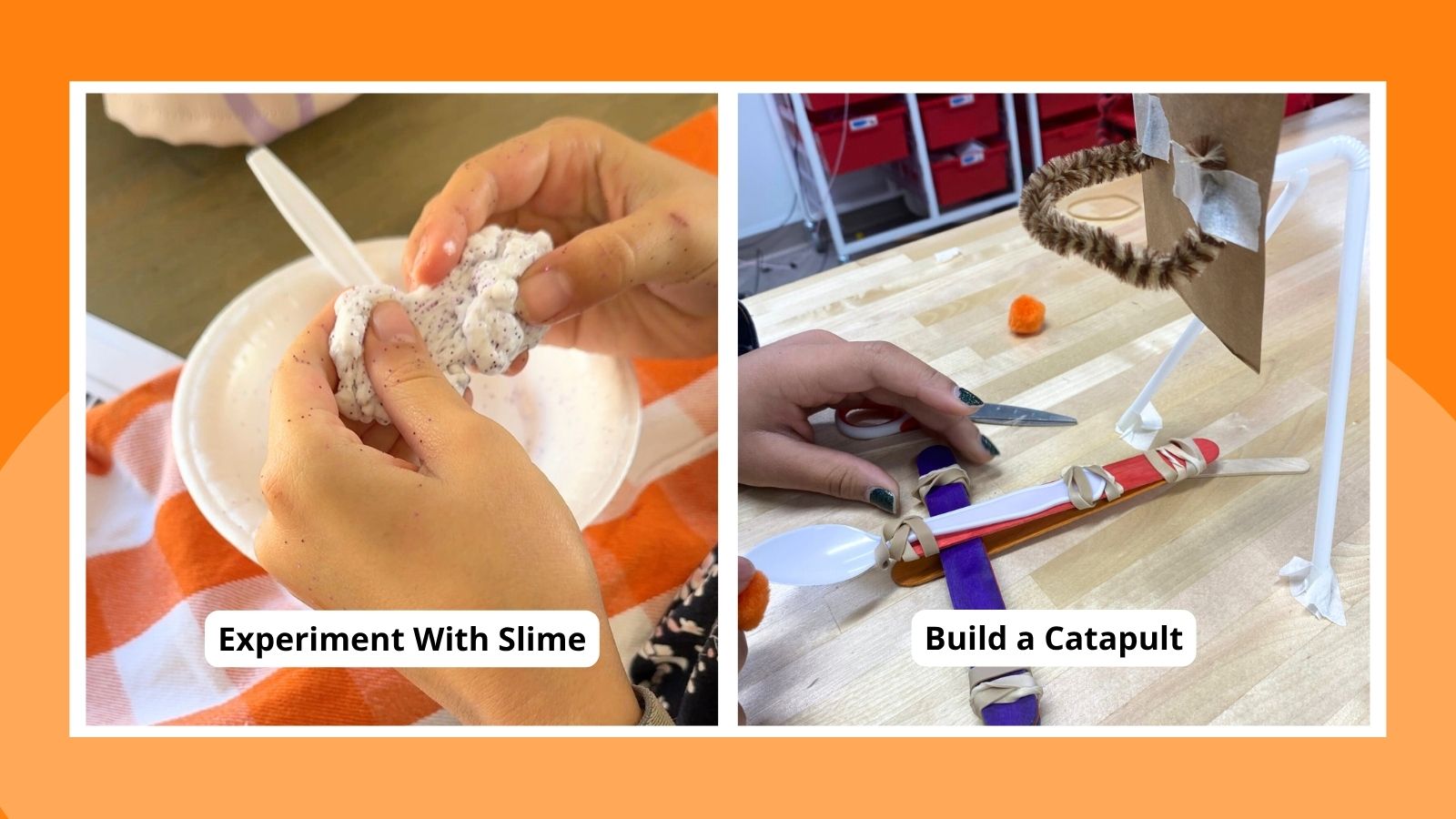
Kindergarten science works best when children can see a change, make a prediction, and find out what happens. A handful of simple experiments can introduce force and motion, chemical reactions, and the behavior of materials—while giving young students practice asking questions and describing what they observe.
Here’s the practical challenge: experiments with five-year-olds can get messy, and a flashy result can distract from the idea behind it. Keep each activity centered on one question, prepare materials in advance, and make room for things to go wrong. When a test fails, ask what happened and what students might change next time. That’s science, too.
Use the free Science Experiment Recording Worksheets to help students record what they notice.
How to lead successful kindergarten science activities
Young children are learning to ask questions, talk about evidence, and practice basic skills such as measuring and recording. Hands-on activities make those skills concrete. Choose experiments with a clear visual result or simple steps, such as testing whether objects sink or float. Organize and pre-measure supplies where possible, and use a tray or bin to contain spills.
Keep the lesson focused on one big idea. Invite predictions with questions like “What do you think will happen next?” and “Why do you think that happened?” Then let students explain their thinking in their own words. If the outcome surprises them, treat that as a reason to look closer and try again.
Forces and motion
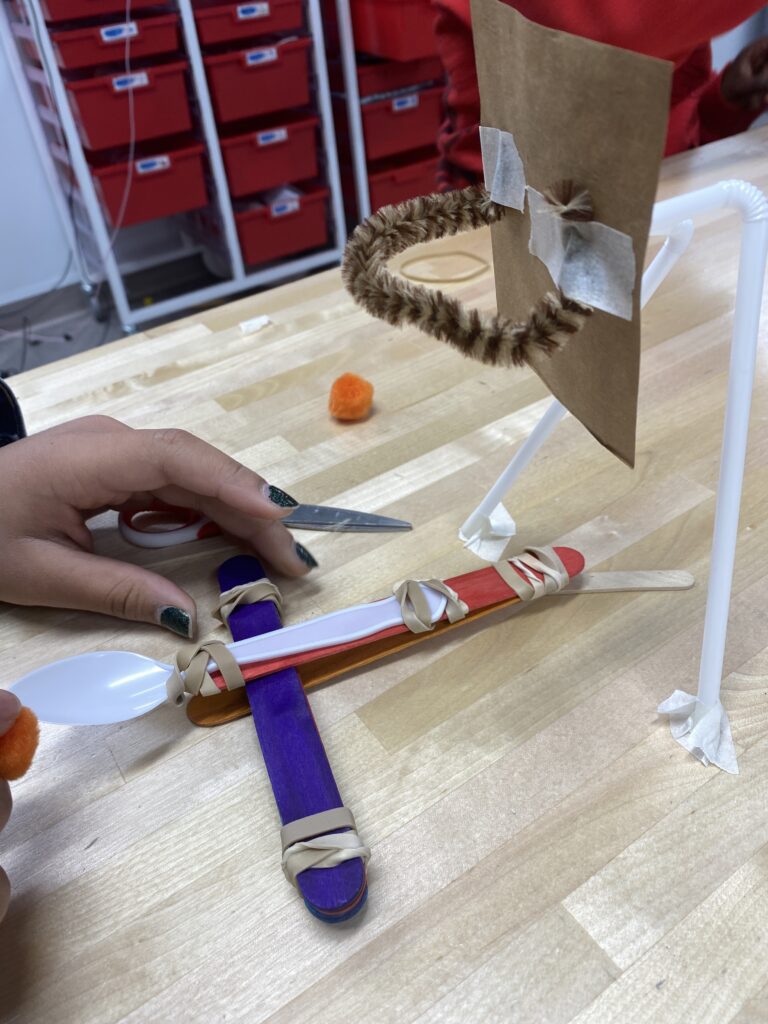
Build a catapult
- Difficulty: Easy
- Materials: Basic
- Materials needed: Craft sticks, plastic spoon, rubber bands
- Time: 1 class period
- Best for: Small groups
Fasten craft sticks together with rubber bands and attach a spoon to make a simple launcher. Students can send small objects flying and compare what happens when they push with more or less force. The key is to connect the launch to a question: how does the force of the push affect movement and distance?
Show how a pulley lifts
- Difficulty: Easy
- Materials: Basic
- Materials needed: Rolling pin, two chairs, string, small objects
- Time: 1 class period
- Best for: Whole-group demonstration or small groups
Set two chairs back-to-back with a rolling pin spanning them. Drape a string over the pin and tie a small object to one end. Have students compare lifting it directly with lifting it using the pulley. They can notice how the setup changes the effort needed to move the object upward.
Race balloon rockets
- Difficulty: Easy
- Materials: Basic
- Materials needed: Balloons, string, tape, straws
- Time: 1 class period
- Best for: Whole group
Thread string through a straw, inflate a balloon without tying it, and tape the balloon to the straw. When air rushes out, the balloon travels along the string. Students can test different balloon sizes or string angles and compare the distance or speed. It’s a simple way to see how a push in one direction can send an object moving in another.
Lift a bag with balloons
- Difficulty: Advanced
- Materials: Medium
- Materials needed: Helium balloons, string, small bag, tape
- Time: 1 class period
- Best for: Whole group
Ask students to predict how many helium balloons will lift a lightweight bag. Attach the bag with string, then add or remove small objects and observe whether it rises, falls, or stays balanced. The activity puts upward force, weight, and balance in view.
Test friction with toy cars
- Difficulty: Easy
- Materials: Easy
- Materials needed: Toy car, ramps made from different materials such as wood or plastic
- Time: 1 class period
- Best for: Whole group or small groups
Roll the same toy car down ramps with different surfaces. Compare how far or fast it travels, then ask which surfaces seem to slow it down. Students can begin to connect the texture of a ramp with friction and motion.
Chemistry activities for kindergartners
Turn pennies green
- Difficulty: Easy
- Materials: Medium
- Materials needed: Pennies, vinegar, salt, container
- Time: 1 day
- Best for: Whole group
Soak pennies in vinegar and salt, then check them over the next 24 hours for a color change. Students can compare the results with pennies treated using different cleaning solutions and describe what changed. The wait is part of the experiment: they’ll need to observe over time.
Make a leakproof bag
- Difficulty: Easy
- Materials: Basic
- Materials needed: Zip-top bag, pencils, water
- Time: 15 minutes
- Best for: Whole group
Fill and seal a bag with water, then push pencils through it. The plastic stretches around each pencil and can hold the water in. Students can observe how the bag’s material behaves when punctured.
For directions and a reflection sheet, see the leakproof bag experiment guide.
Grow rock candy
- Difficulty: Medium
- Materials: Basic
- Materials needed: Sugar, hot water, jar, string, stick
- Time: 20 minutes
- Best for: Whole group
Dissolve sugar in hot water, then suspend a string in the mixture as it cools. Crystals form gradually. Students can check the string each day and describe how the crystals change.
Try the bouncy egg experiment
- Difficulty: Medium
- Materials: Basic
- Materials needed: Egg, vinegar, container
- Time: 15 minutes
- Best for: Whole group
Leave an egg in vinegar and observe what happens to its shell. The shell dissolves, leaving the egg rubbery to the touch. Comparing the egg before and after gives students visible evidence that a chemical change has occurred.
See the egg and vinegar experiment guide for directions and a reflection sheet.
Paint with salt
- Difficulty: Easy
- Materials: Basic
- Materials needed: Salt, watercolors or food coloring, paper
- Time: 20 minutes
- Best for: Independent exploration
Sprinkle salt over wet paint and watch the color spread into new shapes. The salt absorbs water and draws pigment outward. Try fine and coarse salt to compare the patterns they make.
Find instructions and a printable worksheet in the salt painting guide.
Dehydrate grapes into raisins
- Difficulty: Easy
- Materials: Advanced
- Materials needed: Grapes, sunlight or a dehydrator
- Time: 2 weeks
- Best for: Whole-group observation
Set grapes in sunlight or use a dehydrator, then watch them shrink as water evaporates. Have students record observations over the two weeks and compare fresh and dried grapes by size, texture, and weight.
Inflate a balloon with baking soda and vinegar
- Difficulty: Easy
- Materials: Basic
- Materials needed: Baking soda, vinegar, balloon, bottle
- Time: 15 minutes
- Best for: Whole group
Combine baking soda and vinegar in a bottle with a balloon fitted over its opening. The reaction produces gas that inflates the balloon. Students can see that gas takes up space, even though they can’t see the gas itself.
Use the baking soda and vinegar balloon guide for directions and a reflection sheet.
Make “magic” milk
- Difficulty: Easy
- Materials: Basic
- Materials needed: Milk, food coloring, dish soap, shallow dish
- Time: 15 minutes
- Best for: Whole group or small groups
Add drops of food coloring to milk, then touch the surface with a soapy cotton swab. The colors swirl as the soap interacts with the milk fat. Try different kinds of milk and compare the movement.
The magic milk experiment guide includes instructions and a reflection sheet.
Make a crawling rainbow
- Difficulty: Easy
- Materials: Basic
- Materials needed: Six small cups, water, food coloring, paper towels
- Time: 20 minutes
- Best for: Whole group or small groups
Color water in three cups red, yellow, and blue. Arrange them in a circle with an empty cup between each filled one, then connect the cups with folded paper towels. Check back in about an hour to see colored water travel into the empty cups.
Directions and a worksheet are available in the rainbow walking water experiment guide.
Grow crystal letters
- Difficulty: Easy
- Materials: Basic
- Materials needed: Pipe cleaners, jar, crystal solution made with sugar, alum, borax, or Epsom salt
- Time: 1 class period
- Best for: Whole group or small groups
Shape pipe cleaners into letters or numbers and place them in a crystal solution. As crystals form, students can track changes in size, shape, and texture over time.
Watch popcorn kernels dance
The strongest activities here make abstract forces visible. A bubble lifts a kernel; a charged balloon nudges paper; a seed changes day by day. For kindergarteners, that visible cause and effect gives them something concrete to describe, compare, and question.
Simple reactions and materials to explore
Make popcorn dance
- Difficulty: Easy
- Materials: Basic
- Materials needed: Popcorn kernels, Alka-Seltzer, water, clear glass
- Time: 10 minutes
- Best for: Whole group
Drop the kernels into a glass of water with Alka-Seltzer and watch gas bubbles carry them upward. When the bubbles pop at the surface, the kernels fall again. That repeated motion makes a chemical reaction easier to see. Ask students to explain how the bubbles move the kernels. See the dancing popcorn guide and printable reflection sheet.
Make ice cream in a bag
- Difficulty: Medium
- Materials: Basic
- Materials needed: Milk, sugar, vanilla, ice, salt, zip-top bags
- Time: 20 minutes
- Best for: Whole group or small group
As students shake the ingredients, the mixture changes from liquid to slushy and then to solid. Salt lowers the freezing point of ice, helping the mixture cool enough to freeze. Have students track the texture as they shake; the changing consistency is the clearest evidence of what’s happening.
Mix up some Oobleck
- Difficulty: Easy
- Materials: Basic
- Materials needed: Cornstarch, water, bowl
- Time: 20 minutes
- Best for: Whole group or small group
Oobleck behaves differently depending on how students handle it: squeeze it and it feels solid; let it rest and it flows more like a liquid. Invite the class to poke it, pour it, roll it, and press it slowly. The comparisons help students notice that a material’s behavior can change with the force applied. Find the Oobleck instructions and printable worksheet.
Make a batch of elephant toothpaste
- Difficulty: Medium
- Materials: Medium
- Materials needed: Hydrogen peroxide, yeast, dish soap, food coloring, container
- Time: 20 minutes
- Best for: Whole group
Hydrogen peroxide and yeast produce a foamy reaction, with dish soap trapping oxygen gas in the expanding foam. Students can watch the foam grow and discuss the yeast’s role as a catalyst. The size of the effect makes this a memorable group demonstration of a chemical reaction. Get the elephant toothpaste guide and printable reflection sheet.
Make sidewalk chalk paint
- Difficulty: Medium
- Materials: Medium
- Materials needed: Cornstarch, water, food coloring, cups, paintbrushes
- Time: 1 class period
- Best for: Whole group
Mix cornstarch, water, and food coloring into paint, then compare how it looks while wet and after it dries. Try it on different surfaces, too: both the color and texture may look different. See how to make sidewalk chalk paint, with a printable.
Physics activities for kindergartners
Sound, magnetism, buoyancy, and static electricity can all be explored with familiar objects. The useful teaching move is to let students predict first, then test what they think will happen.
Bounce popcorn with sound waves
- Difficulty: Easy
- Materials: Basic
- Materials needed: Bowl, plastic wrap, popcorn kernels, speaker or other sound source
- Time: 20 minutes
- Best for: Whole group
Stretch plastic wrap over a bowl and set popcorn kernels on top. Playing sound nearby creates vibrations that can make the kernels jump, showing how sound can cause movement. Try different volumes or sound sources and ask students which makes the biggest difference.
Assemble a lava lamp
- Difficulty: Easy
- Materials: Basic
- Materials needed: Clear bottle, oil, water, food coloring, Alka-Seltzer
- Time: 20 minutes
- Best for: Whole group
Oil and water stay in separate layers, while Alka-Seltzer creates gas bubbles that carry colored water upward through the oil. Students can watch the blobs rise and fall and connect their movement to bubbles and differences in density. Read the DIY lava lamp instructions and get the worksheet.
Play with magnets
- Difficulty: Easy
- Materials: Medium
- Materials needed: Magnets, assorted small objects
- Time: 15 minutes
- Best for: Small group or independent exploration
Have students test which small objects magnets attract and which they leave alone. They can also explore attraction and repulsion, then sort the objects by material and look for patterns. The sorting matters: it helps students move from “this one sticks” to noticing what kinds of objects respond to a magnet.
Make fingerprints look bigger
- Difficulty: Easy
- Materials: Basic
- Materials needed: Balloons, marker pens
- Time: 10 minutes
- Best for: Whole group
Students mark their fingerprints on a balloon, then inflate it and watch the ridges stretch. The changing pattern offers a simple way to discuss air pressure and elasticity.
Try static electricity with hair
- Difficulty: Easy
- Materials: Basic
- Materials needed: Balloons, hair
- Time: 10 minutes
- Best for: Whole group
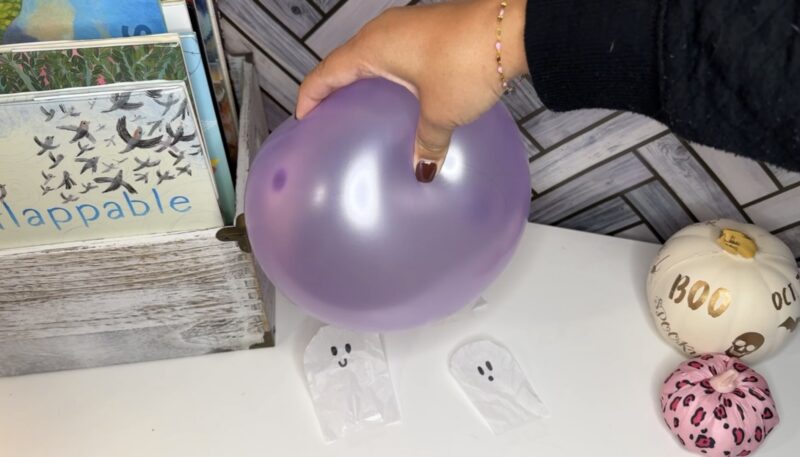
Rub a balloon on hair and bring it close again. Hair may stand up or cling to the balloon, making an invisible force visible. Students can also test the charged balloon near small pieces of paper to see whether it attracts them.
Move a paper drawing with static electricity
- Difficulty: Easy
- Materials: Medium
- Materials needed: Tissue paper, balloons, string
- Time: 15 minutes
- Best for: Whole group or small group
Charge a balloon by rubbing it on hair or something fuzzy, then use it to move lightweight tissue paper shapes without touching them. Students can compare shapes and sizes to see which move most readily. It’s a straightforward demonstration that a force can act across a gap.
Investigate buoyancy
- Difficulty: Easy
- Materials: Basic
- Materials needed: Water container, small objects
- Time: 20 minutes
- Best for: Small group or independent exploration
Before placing each object in water, ask students to predict whether it will float or sink. After testing, compare the results and sort the objects. Their guesses may not always match what happens, which gives them a reason to look closely at each object’s material and shape.
Create echoes
- Difficulty: Easy
- Materials: Basic
- Materials needed: Tin bucket, metal and soft objects
- Time: 20 minutes
- Best for: Small group or independent exploration
Drop or tap objects and listen for echoes. Sound reflects off hard surfaces, so students can compare the sound in harder and softer spaces and describe where echoes seem stronger or weaker.
Explore slime science
- Difficulty: Easy
- Materials: Basic
- Materials needed: Glue, water, borax solution, food coloring
- Time: 20 minutes
- Best for: Whole group or small group
Mix the ingredients and observe how they form a stretchy, moldable slime. Students can compare small recipe changes by looking at stretchiness, stickiness, and firmness. Slime also introduces non-Newtonian liquids: materials whose viscosity changes depending on the pressure applied. Find four slime recipes and a printable reflection sheet.
Explore buoyancy with oranges
- Difficulty: Easy
- Materials: Basic
- Materials needed: Oranges, water container
- Time: 10 minutes
- Best for: Whole group
Place one peeled and one unpeeled orange in water. The unpeeled orange floats because air trapped in the peel helps it stay buoyant, while the peeled orange sinks. Ask students why the orange that looks heavier can still float; it’s a useful first observation before introducing buoyancy more formally.
Investigate mystery objects
- Difficulty: Easy
- Materials: Basic
- Materials needed: Mystery objects, bags
- Time: 20 minutes
- Best for: Small group or independent exploration
Hide objects in bags or boxes and let students feel, shake, or smell them without looking. Ask them to describe clues such as texture and sound, then explain which clues informed each guess before revealing the objects. The activity puts observation and evidence ahead of a quick answer.
Bend light with water
- Difficulty: Easy
- Materials: Basic
- Materials needed: Water, clear glass, paper arrow
- Time: 15 minutes
- Best for: Whole group
Look at a paper arrow through a glass of water and notice that it can appear to point in the opposite direction. Light bends, or refracts, as it passes through water. Move the arrow closer to or farther from the glass and compare how the image changes.
Create 3D art with a salt pendulum
- Difficulty: Advanced
- Materials: Medium
- Materials needed: Funnel, string, colored salt, paper
- Time: 20 minutes
- Best for: Whole group or small group
Hang a funnel from a string and let it swing as colored salt falls onto paper. The pendulum’s repeated path leaves patterns that help students observe gravity and motion. Change the string length or the strength of the push and see how the pattern shifts.
Nature and ecosystem activities for kindergarten
These activities give students time to notice change: a seed sprouts, a flower takes up colored water, or a living thing appears among soil and rocks. That slower pace is useful. It gives children a chance to record what they see and revise their ideas as new evidence appears.
Germinate a seed
- Difficulty: Easy
- Materials: Basic
- Materials needed: Bean seeds, paper towels, jar
- Time: 1 week
- Best for: Small group or independent exploration
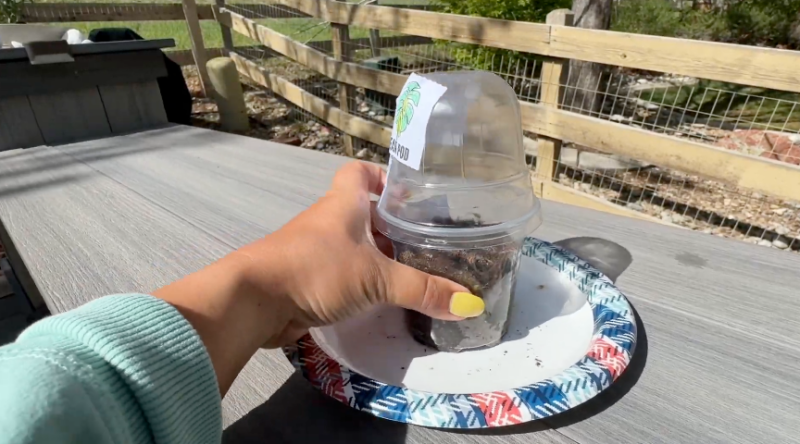
Place bean seeds in damp paper towels inside a jar and check them over several days. Students can watch roots grow downward and shoots upward, while learning that plants need water, air, and time. A simple science journal gives them a record of each change.
Discover how plants breathe
- Difficulty: Easy
- Materials: Basic
- Materials needed: Leaves, jars, water
- Time: 15 minutes
- Best for: Small group
Put leaves in water and look for tiny bubbles. The bubbles offer a visible clue that plants exchange gases. Students can compare leaves kept in sunlight with leaves kept in shade and see whether they observe a difference in the number of bubbles.
Change the color of flowers
- Difficulty: Easy
- Materials: Medium
- Materials needed: White flowers, water, food coloring, jars
- Time: 20 minutes
- Best for: Whole group or small group
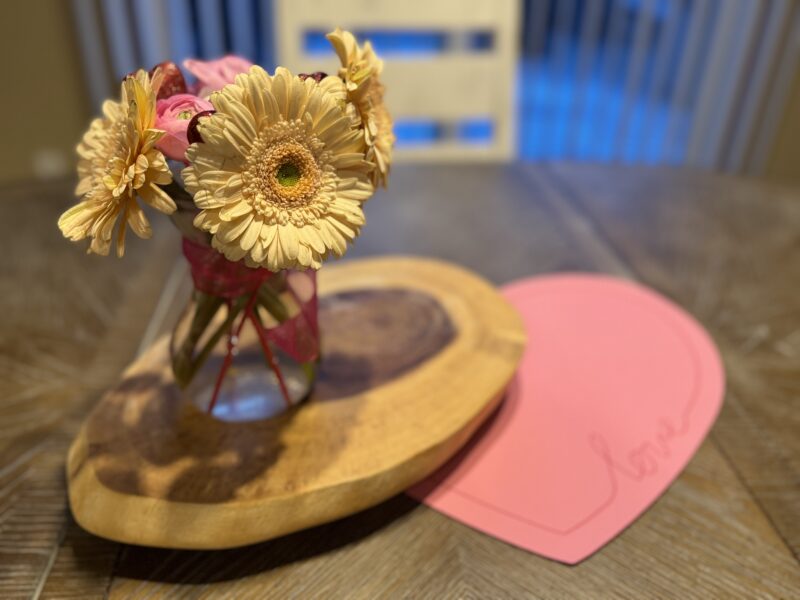
Place white flowers in colored water and watch their petals change over time. The color shows how water travels through a plant’s stem. Compare flower types or water colors to see which makes the change easiest to spot.
Go on a living or nonliving scavenger hunt
- Difficulty: Easy
- Materials: Basic
- Materials needed: Magnifying glasses
- Time: 1 class period
- Best for: Whole group
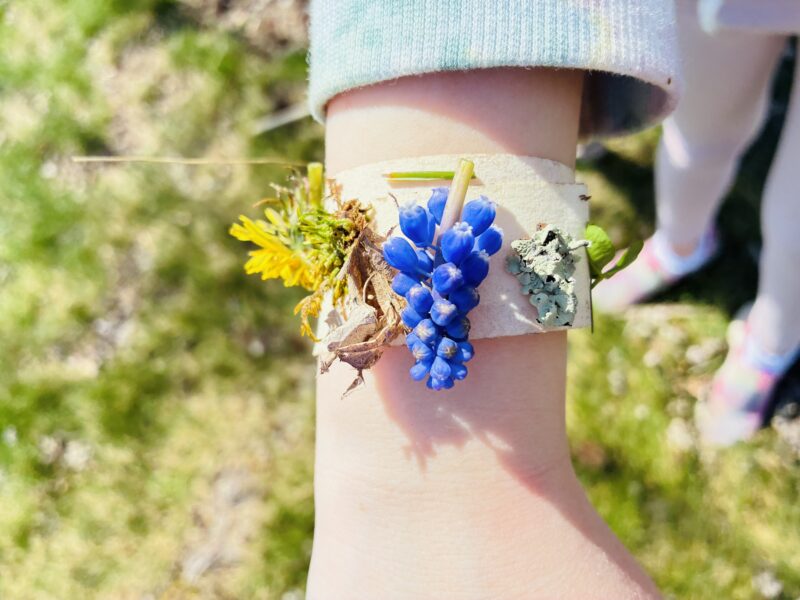
Take students outdoors to look for plants, soil, rocks, and insects. They can sketch what they find and label living and nonliving parts of the local ecosystem. The goal is to notice how those parts share the same environment.
Eat your way through soil layers
- Difficulty: Easy
- Materials: Medium
- Materials needed: Yogurt, granola, fruit, candy, clear cup
- Time: 20 minutes
- Best for: Small group
Layer foods in a clear cup to represent different soil layers. Students can compare the layers with real soil components such as rocks, sand, clay, and humus, and discuss how soil supports plant and animal life.
Make a volcano erupt
- Difficulty: Medium
- Materials: Medium
- Materials needed: Baking soda, vinegar, clay or papier-mâché, tray
- Time: 30 minutes
- Best for: Whole group
Build a volcano and use baking soda and vinegar to simulate an eruption. As the foamy “lava” bubbles out, students can observe how gas formation creates pressure and movement. The demonstration connects a chemical reaction with processes associated with Earth. See the baking soda volcano guide and printable reflection sheet.
Build a terrarium
Plant investigations
A sealed jar gives kindergarteners a simple way to watch a small ecosystem change over time. Put pebbles in the bottom, add potting soil and a small houseplant, then tuck in a few twigs or leaves and cover the jar with plastic wrap. Leave it in a sunny spot for a week and have students record what they notice. The project takes one class period to assemble and works best in small groups; expect a medium level of difficulty and a medium amount of preparation. For a quicker look at plant structure, give students flowers to take apart. They can glue the pieces onto paper and label each part, connecting the hands-on work to lessons about plants or classification. Plan about 20 minutes. It’s an easy activity for a small group or an individual student, and it needs only flowers, paper, and glue.Weather, made visible
A windsock turns an invisible force into something children can observe. Students decorate construction paper, shape it into a cylinder, attach streamers at one end and string at the other, then take it outside to see which way the wind is moving. The activity takes about 30 minutes, uses basic supplies, and suits individual exploration. The suggested outdoor setting is a rainy day. For a quick storm demonstration, fill a jar with water and spin it in a circle. The water forms a funnel shaped vortex; students can vary the spin and compare the result. A little glitter can stand in for debris caught up in a tornado. It’s a 10 minute activity using a jar, water, dish soap, and optional glitter, suitable for a whole class or a small group. The cloud and rain model is even faster. Fill jars with water, top them with shaving cream, then add food coloring drop by drop. The foam represents a cloud holding water; once it gets heavy, colored drops fall through like precipitation. Ask students to count the drops before the “rain” starts. It takes about five minutes, uses basic materials, and works well with the whole group.
Discussion
Sign in to join the discussion.