Plan three days of Copenhagen family highlights, from canal views and royal landmarks to Tivoli Gardens, with easy options for extra time.
Copenhagen works especially well for a family trip because its headline sights sit alongside parks, waterfront walks and places where kids can set the pace. A canal tour, a castle visit and a stop for Danish sweets can all fit into the same day, while the city’s compact center makes it easy to shift plans when energy runs low. For a three-day stay, the best approach is to mix major landmarks with time to wander, eat and play.
Day one: See the city from the water, then explore its center
A canal tour is a useful first stop: it gives the family a broad view of Copenhagen’s layout before you head out on foot. From there, walk Strøget, one of Europe’s longest pedestrian shopping streets. The mix of boutiques and street activity makes the route entertaining even if shopping isn’t the priority. LEGO’s flagship store is an easy detour for children and anyone interested in the Danish toy company’s roots.
Make lunch part of the day’s sightseeing at Torvehallerne Food Market. It offers a range of stalls, including Hallernes Smørrebrød, where you can try smørrebrød, the traditional Danish open-faced sandwich. The market’s variety also helps when everyone has a different idea of what to eat.
Save room for a flødebolle, a Danish confection made with a thin biscuit base, soft meringue and chocolate. Nearby Lagkagehuset Bakery is a good place to look for one. Across the street, Flying Tiger sells playful, design-minded goods that can double as souvenirs.
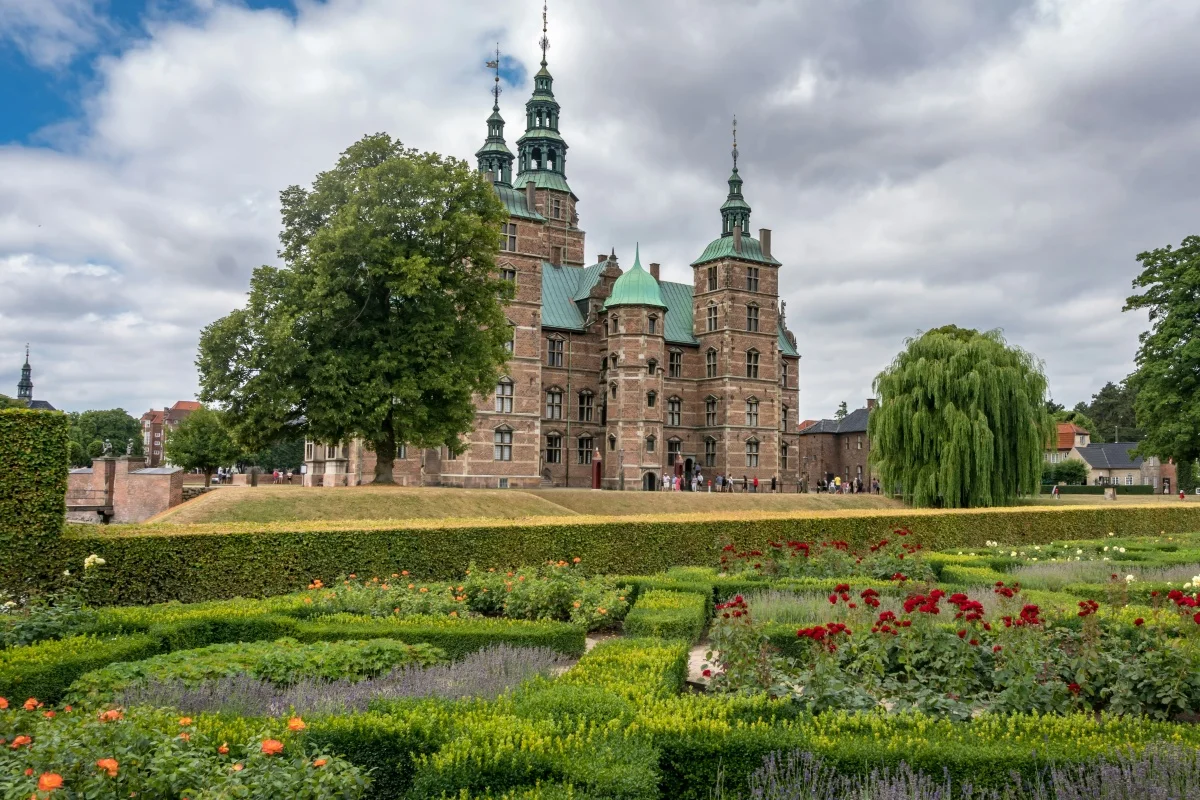
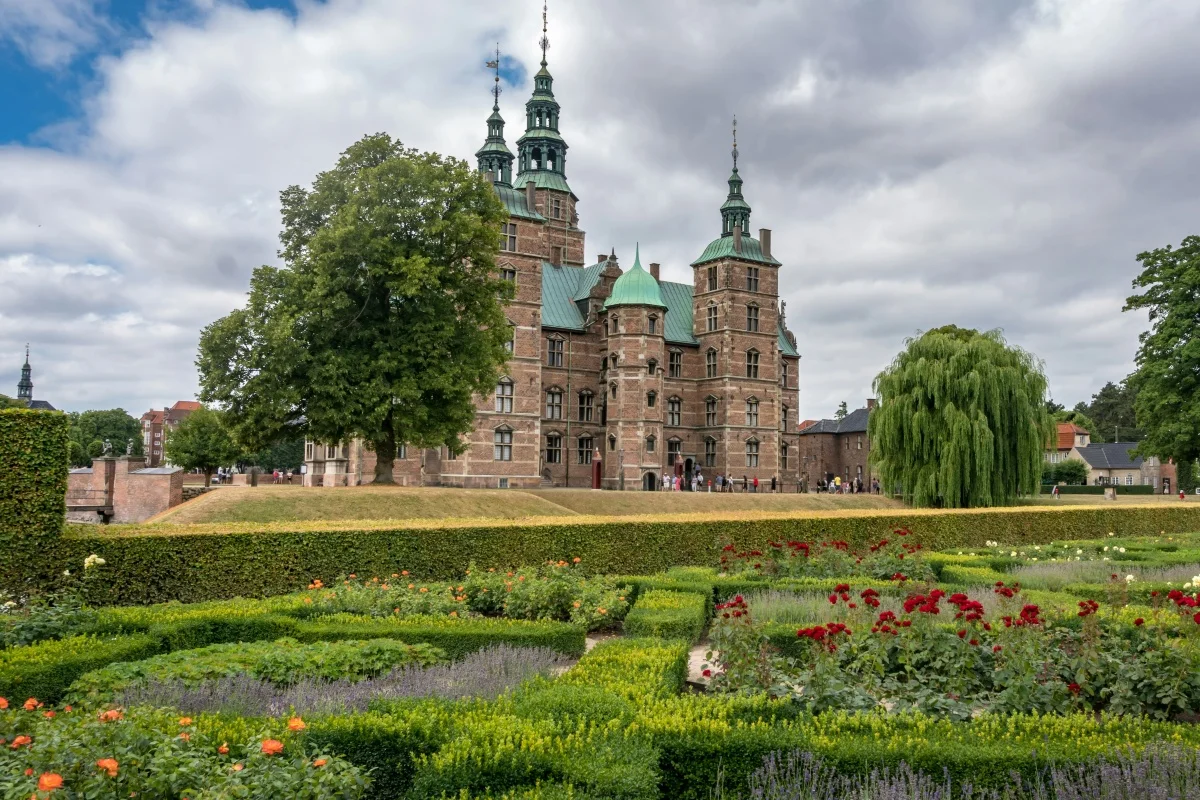
In the afternoon, head to Rosenborg Castle, a Renaissance building commissioned by King Christian IV and now home to Denmark’s crown jewels. Its setting in the King’s Garden gives children space to stretch their legs between indoor visits. If time and attention allow, add the National Museum of Denmark for its Viking artifacts. The museum’s Children’s Museum is undergoing a major renovation and is scheduled to reopen in summer 2027.
Day two: Harbor color, royal ceremony and a coastal walk
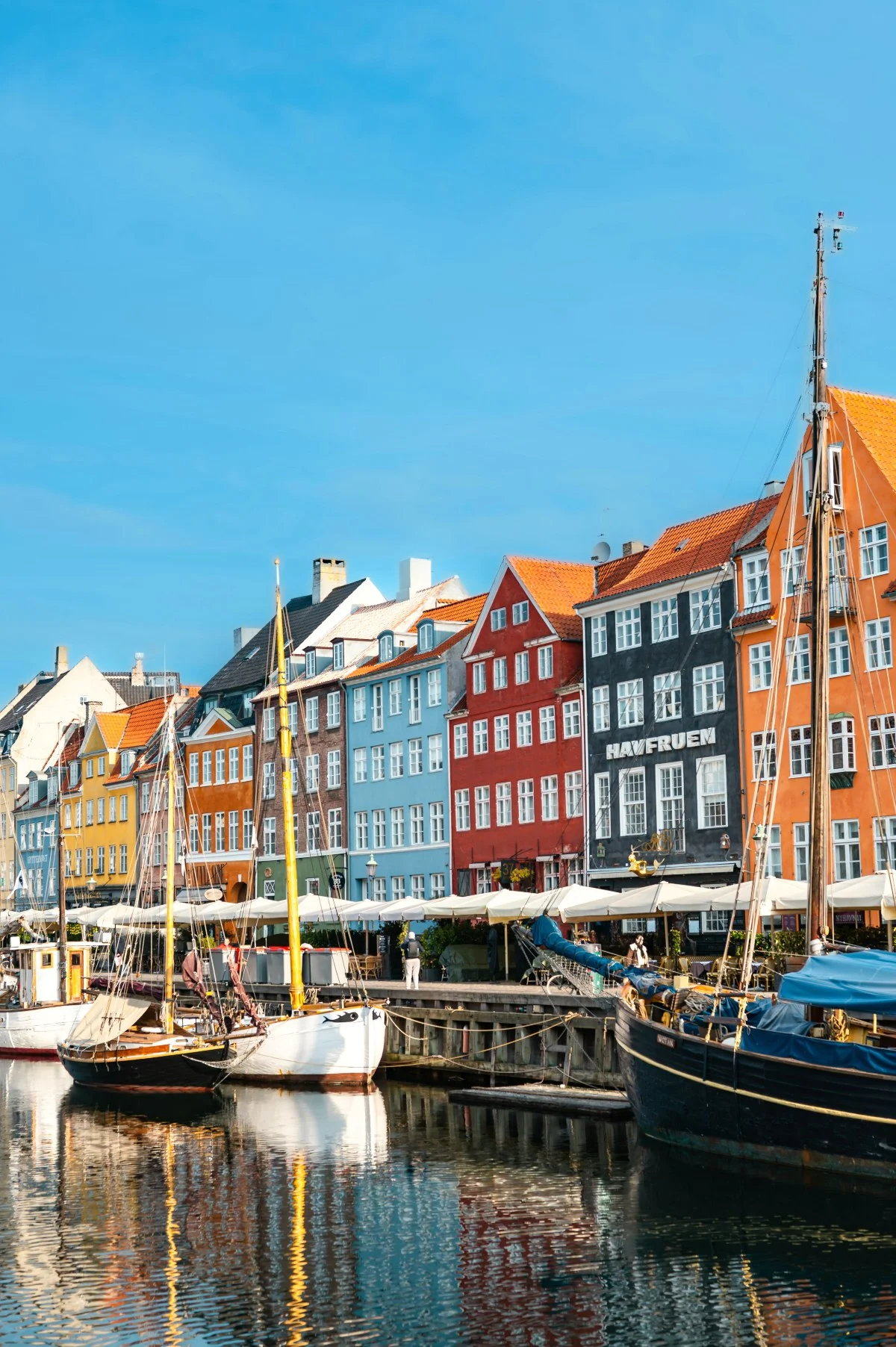
Start at Nyhavn, where brightly painted townhouses face the old harbor. The waterfront is one of Copenhagen’s most recognizable views, but it also connects the city to Hans Christian Andersen: he lived at several Nyhavn addresses and wrote many of his best-known fairy tales while living in the area. Number 20 is associated with The Princess and the Pea. For another perspective over the harbor, cross the Inderhavnsbroen pedestrian bridge.
Continue to Amalienborg Palace, the royal family’s residence. The museum offers a look at royal life, and timing the visit for the Royal Guard’s midday change adds a public spectacle that’s easy for children to follow. Have them watch for royal flags above the palaces, which can signal that members of the family are in residence.
For lunch, cross the Inner Harbour Bridge to Broens Street Food. Its waterfront stalls serve Danish dishes and international street food, making it a practical choice for a group with varied tastes. Check seasonal opening hours before setting out.
From there, make your way toward the Little Mermaid and the nearby fortress of Kastellet. The bronze statue is small, so it’s best treated as one stop on a scenic walk rather than the sole reason for a trip across town. Kastellet’s star-shaped 17th-century fortifications and paths give the visit more room to breathe.
Day three: Choose rides or a swim
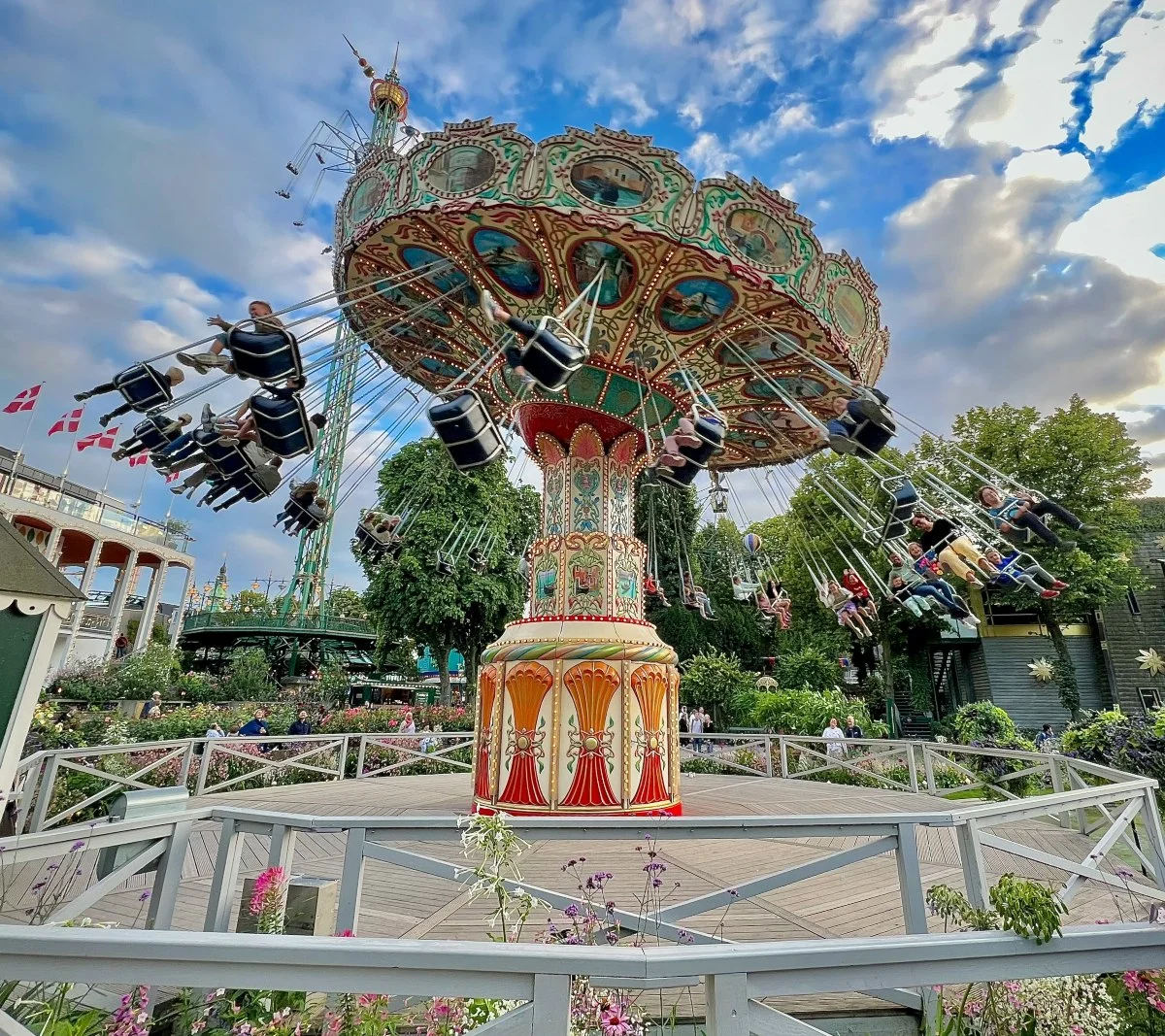
For a full day of family entertainment, Tivoli Gardens combines rides, gardens and themed settings in the middle of the city. The park is among the world’s oldest amusement parks and helped inspire Walt Disney’s vision for Disneyland. Families can explore the Oriental Gardens, seek out the fanciful pirate ship and ride Rutschebanen, the park’s celebrated wooden roller coaster. Tivoli operates seasonally, so confirm its schedule before building the day around it.
If the weather is warm and a quieter outing sounds better, spend the afternoon at Islands Brygge Harbour Bath, a public swimming area beside the canal. Check local swimming conditions and lifeguard hours before visiting. Families wanting a beach day can travel farther to Amager Beach.
Extend the trip beyond the city center
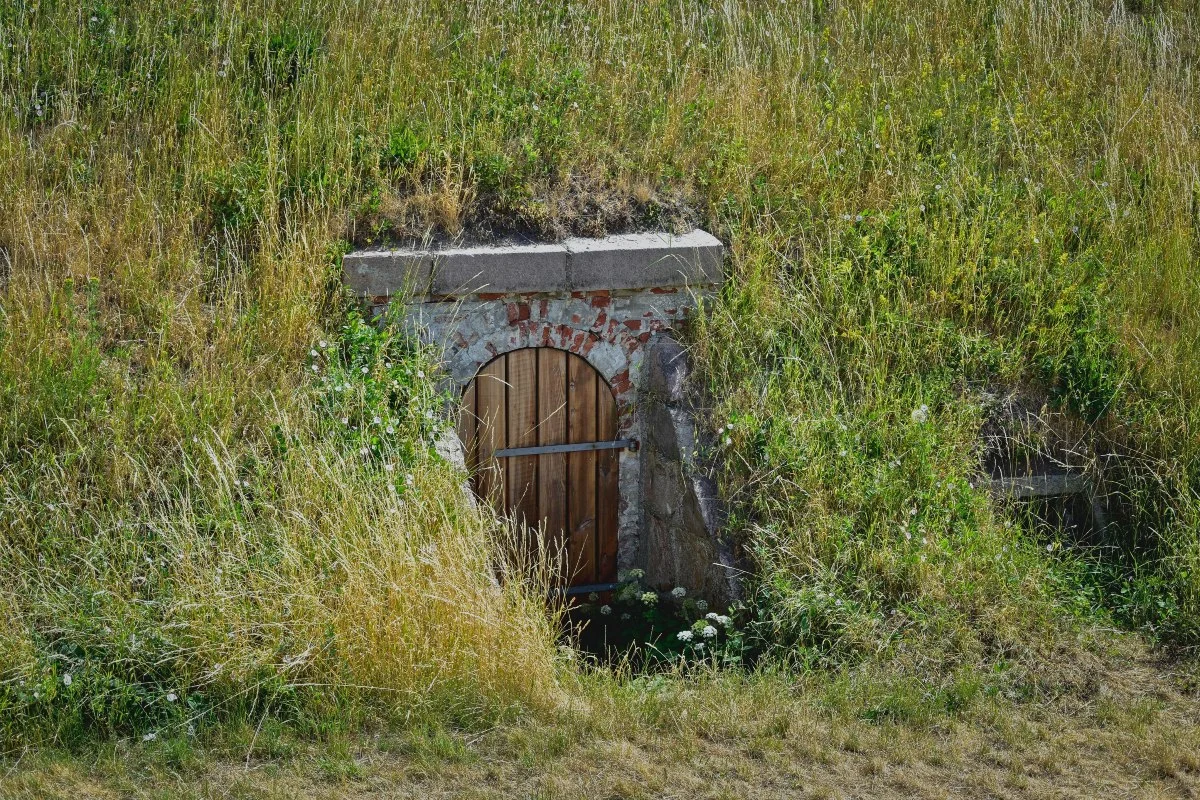
An extra day opens up several worthwhile outings. North of the city, the Open-Air Museum covers more than 80 acres and presents Danish life across periods from 1650 to 1940. Its scale and outdoor setting make it a natural fit for families who want a change of pace from indoor museums.
Kronborg Castle, about 45 minutes north of Copenhagen, is the 16th-century fortress associated with Elsinore in Shakespeare’s Hamlet. Children can explore underground passages and ramparts overlooking the narrow waterway between Denmark and Sweden. Its history is easier to absorb when paired with the physical experience of moving through the fortress.
Another option is Bakken, an amusement park that claims the title of the world’s oldest. Admission is free, while rides have separate fees. Nearby Dyrehaven offers open space and the chance to see deer. The Louisiana Museum of Modern Art is about 20 minutes farther north for families looking to combine outdoor time with art.
In Frederiksberg, KU.BE brings Danish design together with a soft-play area and a contemporary playground. It’s north of the zoo and can suit families who want a less conventional stop. For a rainy day, the Experimentarium in nearby Hellerup offers hands-on science exhibits about the human body, water and light, with plenty to occupy school-age children and tweens.
The Danish Architecture Center, inside the waterfront BLOX building, offers interactive exhibitions on how buildings and cities shape daily life. Family activities give children a chance to experiment with design, and a four-story spiral slide is a particular draw for younger visitors.
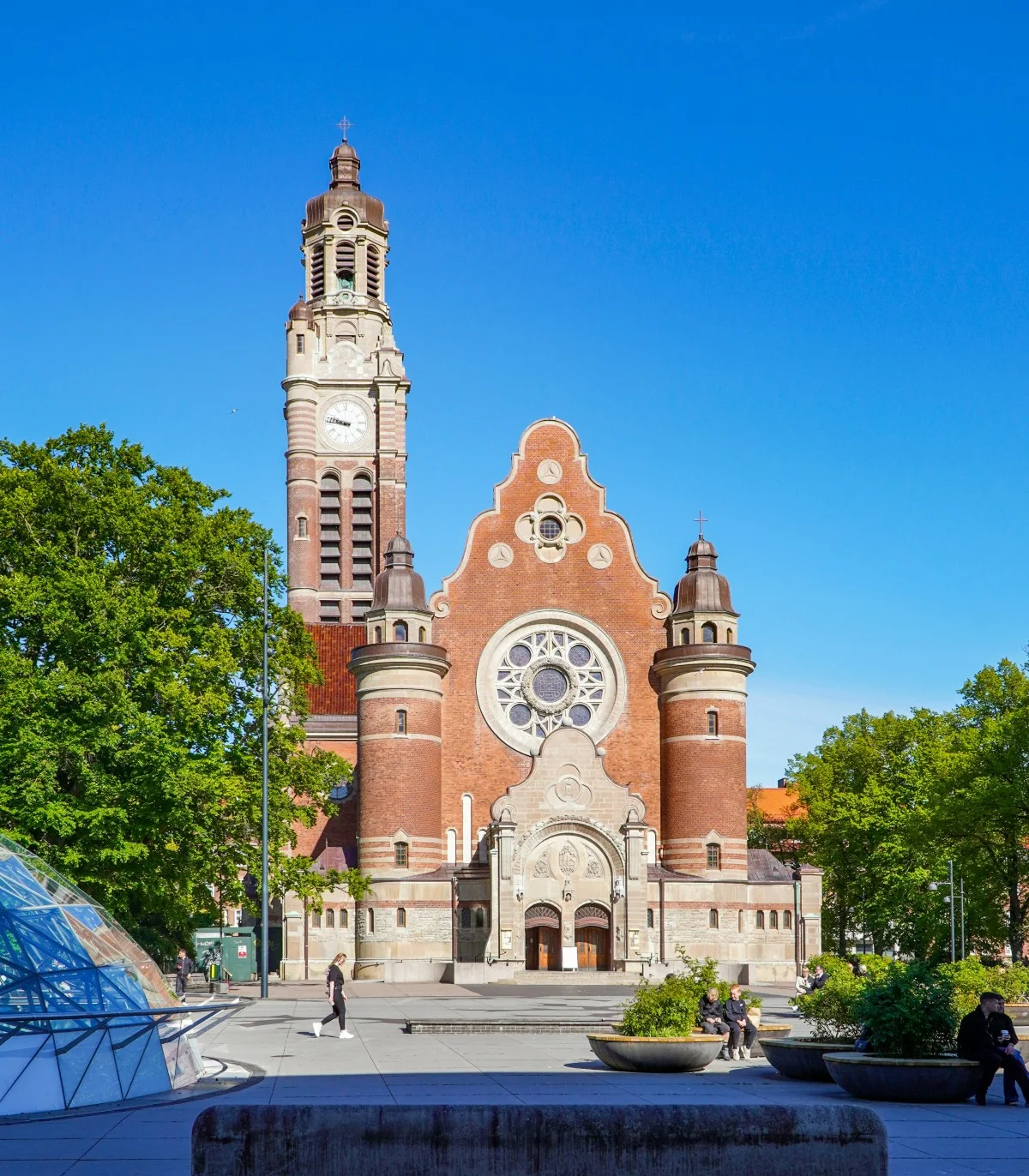
Families with time for another city can take a train or drive to Malmö, Sweden, across the Øresund Bridge, part of a nearly 10-mile crossing between the countries. The city has an old town, parks, a medieval castle and family-friendly cafés. Bring passports and check current border-crossing requirements before the journey. With that range of choices, Copenhagen’s strongest family itinerary leaves room to adapt: pair one major sight with a meal and an unhurried walk, then let the children’s energy decide what comes next.

Discussion
Sign in to join the discussion.